Pushing the boundaries of neuroAI
Everyone’s talking about artificial intelligence.
It’s writing our emails and creating our musical playlists. And with the right researchers leading the way, it will change the way we understand the brain. The converse is true, too: Understanding the brain will only make AIs more efficient, more intuitive and better able to improve human lives.
Since it was founded, the Beckman Institute has been a hub for studying intelligence. Today, its expert researchers and interdisciplinary labs are pushing the boundaries of neuroscience and artificial intelligence to lead the neuroAI revolution.
Everyone’s talking about artificial intelligence.
It’s writing our emails and creating our musical playlists. And with the right researchers leading the way, it will change the way we understand the brain. The converse is true, too: Understanding the brain will only make AIs more efficient, more intuitive and better able to improve human lives.
Since it was founded, the Beckman Institute has been a hub for studying intelligence. Today, its expert researchers and interdisciplinary labs are pushing the boundaries of neuroscience and artificial intelligence to lead the neuroAI revolution.
Experts here are building algorithms that harness AI’s power to improve cancer diagnoses in the brain, understand atypical speech and predict when hearing loss might be an early indicator of Alzheimer's disease.
Powering that work is a cadre of neuroscientists, biologists and engineers working to understand the complexities of the brain and its neurons. This study of biological intelligence is fueling Beckman’s work in this transformative frontier.
Experts here are building algorithms that harness AI’s power to improve cancer diagnoses in the brain, understand atypical speech and predict when hearing loss might be an early indicator of Alzheimer's disease.
Powering that work is a cadre of neuroscientists, biologists and engineers working to understand the complexities of the brain and its neurons. This study of biological intelligence is fueling Beckman’s work in this transformative frontier.
Neuroimaging: Using AI to better understand brain images
Real time, AI powered maps of the brain’s hidden chemistry
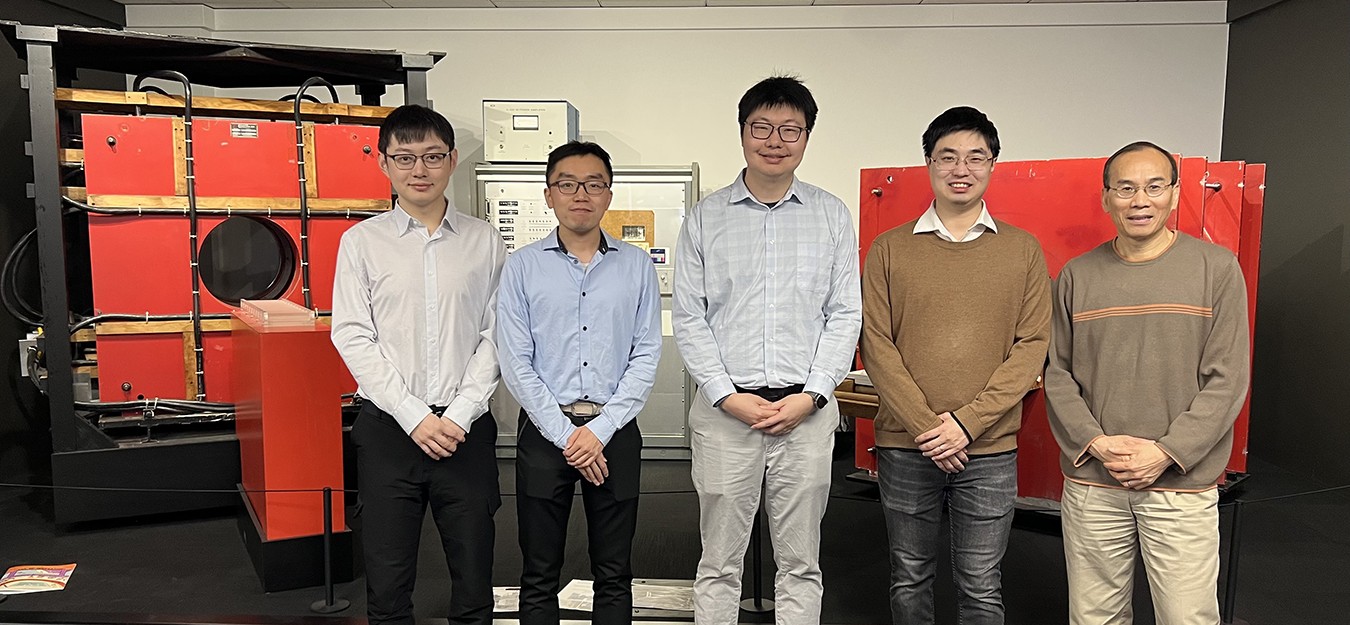
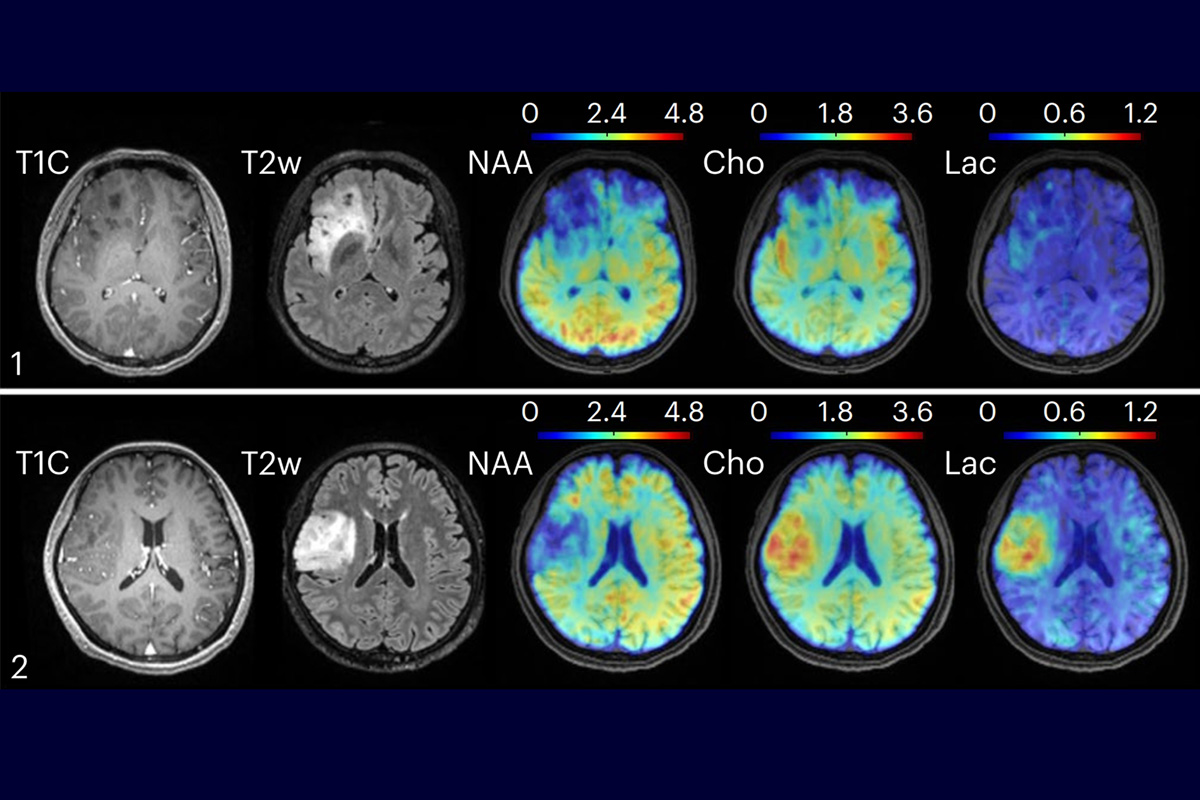
Zhi-Pei Liang is leading research at the intersection of artificial intelligence and magnetic resonance imaging of the brain. The lab's non-invasive, high-resolution metabolic imaging of the whole brain revealed differences in metabolic activity and neurotransmitter levels among brain regions. Liang's team found metabolic alterations in brain tumors. Team members mapped and characterized multiple sclerosis lesions, while patients spent only minutes in an MRI scanner.
“Our technology overcomes several long-standing technical barriers to fast high-resolution metabolic imaging by synergistically integrating ultrafast data acquisition with physics-based machine learning methods for data processing,” Liang said in a release about the work. With the new MRSI technology, the Illinois team cut the time required for a whole brain scan to 12 and a half minutes."
In subjects with multiple sclerosis, the technique detected molecular changes associated with neuroinflammatory response and reduced neuronal activity up to 70 days before changes become visible on clinical MRI images.
Zhi-Pei Liang is leading research at the intersection of artificial intelligence and magnetic resonance imaging of the brain. The lab's non-invasive, high-resolution metabolic imaging of the whole brain revealed differences in metabolic activity and neurotransmitter levels among brain regions. Liang's team found metabolic alterations in brain tumors. Team members mapped and characterized multiple sclerosis lesions, while patients spent only minutes in an MRI scanner.
“Our technology overcomes several long-standing technical barriers to fast high-resolution metabolic imaging by synergistically integrating ultrafast data acquisition with physics-based machine learning methods for data processing,” Liang said in a release about the work. With the new MRSI technology, the Illinois team cut the time required for a whole brain scan to 12 and a half minutes."
In subjects with multiple sclerosis, the technique detected molecular changes associated with neuroinflammatory response and reduced neuronal activity up to 70 days before changes become visible on clinical MRI images.
Interdisciplinary collaborations transfer cutting-edge knowledge from one field to another
Zhi-Pei also supercharges collaborations that apply his AI-powered MRI expertise to new areas:
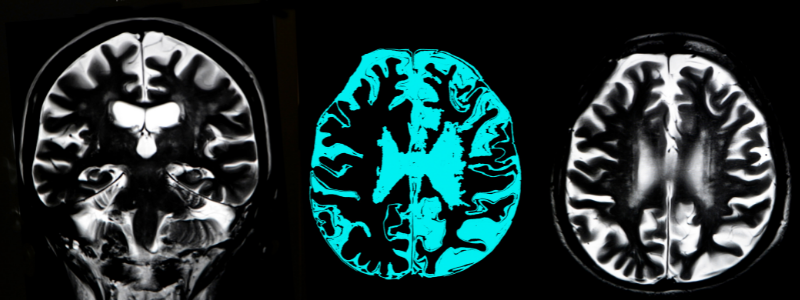
He works closely with Dr. Dan Llano in better understanding the correlation between hearing loss and Alzheimer's disease. Dan's research pinpoints unexpected areas of brain shrinkage in Alzheimer's patients with hearing loss. The work could eventually lead to earlier intervention and new treatment strategies to delay cognitive decline in patients.
With Yun-Sheng Chen, he's exploring how recurrent hypoglycemia impacts brain function in diabetes patients. The team uses advanced imaging technologies to investigate the brain responses tied to cognitive impairments caused by low blood sugar levels.
Zhi-Pei also supercharges collaborations that apply his AI-powered MRI expertise to new areas:
He works closely with Dr. Dan Llano in better understanding the correlation between hearing loss and Alzheimer's disease. Dan's research pinpoints unexpected areas of brain shrinkage in Alzheimer's patients with hearing loss. The work could eventually lead to earlier intervention and new treatment strategies to delay cognitive decline in patients.
With Yun-Sheng Chen, he's exploring how recurrent hypoglycemia impacts brain function in diabetes patients. The team uses advanced imaging technologies to investigate the brain responses tied to cognitive impairments caused by low blood sugar levels.
Mapping the brain's networks and using AI to predict cognition
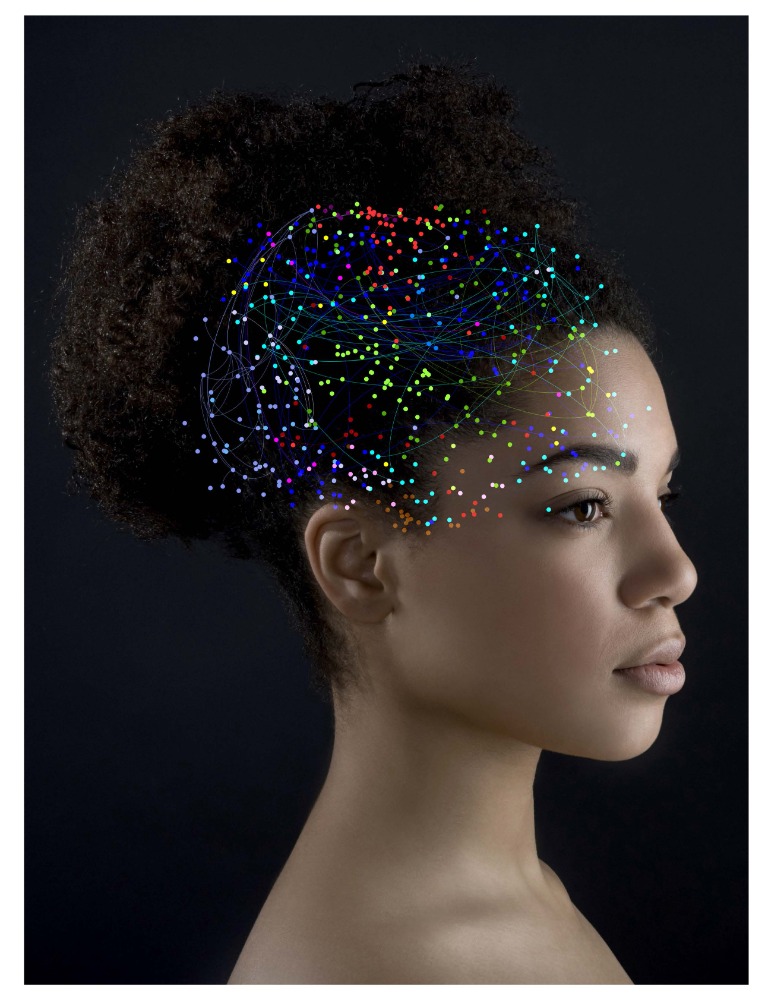
Cognition — and its disruptions in psychiatric and neurological disorders — emerges from the coordinated activity of brain regions organized into large-scale networks.
Caterina Gratton and members of her lab study these networks with high-resolution, individual-level brain mapping and network-based mathematics.
"These methods produce reliable, detailed maps of human brain networks to characterize how people’s brains differ from one another and change over time," she said. "Using machine learning, we can show that these individual network patterns predict important aspects of cognition measured outside the MRI, such as inhibitory control. Ongoing projects in the lab are extending these findings to study health, aging and neurodegeneration in Parkinson’s disease."
Cognition — and its disruptions in psychiatric and neurological disorders — emerges from the coordinated activity of brain regions organized into large-scale networks.
Caterina Gratton and members of her lab study these networks with high-resolution, individual-level brain mapping and network-based mathematics.
"These methods produce reliable, detailed maps of human brain networks to characterize how people’s brains differ from one another and change over time," she said. "Using machine learning, we can show that these individual network patterns predict important aspects of cognition measured outside the MRI, such as inhibitory control. Ongoing projects in the lab are extending these findings to study health, aging and neurodegeneration in Parkinson’s disease."
The tools that fuel next-generation neuroimaging

The Beckman Institute offers tools that researchers can't find anywhere else. This specialized equipment — and expert staff members who support it — crucially support neuroAI research on the Illinois campus. This includes:
A 9.4 Tesla preclinical MRI and 3 Tesla human MRI scanner in Beckman's Biomedical Imaging Center
Co-ownership of the state's only Siemens MAGNETOM Terra 7 Tesla MRI scanner at the Carle Illinois Advanced Imaging Center. The University of Illinois has also made its first two hires in a planned 7 Tesla MRI cluster hire, Megan Huibregtse and Andrew Webb.
Access to ultrafast ultrasound technology and expertise in Michael Oelze's Beckman lab. The lab's researchers, in turn, use the Beckman's Visualization Lab's AI-based tools. The Vis Lab offers a variety of resources for visualizing and analyzing brain images.
The Beckman Institute offers tools that researchers can't find anywhere else. This specialized equipment — and expert staff members who support it — crucially support neuroAI research on the Illinois campus. This includes:
A 9.4 Tesla preclinical MRI and 3 Tesla human MRI scanner in Beckman's Biomedical Imaging Center
Co-ownership of the state's only Siemens MAGNETOM Terra 7 Tesla MRI scanner at the Carle Illinois Advanced Imaging Center. The University of Illinois has also made its first two hires in a planned 7 Tesla MRI cluster hire, Megan Huibregtse and Andrew Webb.
Access to ultrafast ultrasound technology and expertise in Michael Oelze's Beckman lab. The lab's researchers, in turn, use the Beckman's Visualization Lab's AI-based tools. The Vis Lab offers a variety of resources for visualizing and analyzing brain images.
Neuroinformatics: merging computer science and statistics to harness the brain’s computational networks
The Beckman Institute is providing a home for members of the Neuroinformatics Cluster Hire. These researchers are bridging brain science and AI.
Beckman has a powerful history in incubating new, cutting-edge collaborations with seed grants, shared lab spaces and an environment that fosters cross-disciplinary collaborations.
Members of this cohort include:
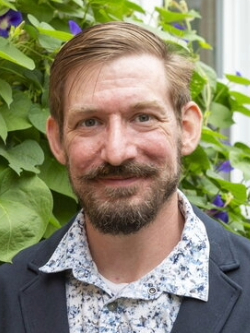
Jason Climer
Jason is working to better understand representational drift, which is when neural patterns or behavior gradually change over time. He's looking at how these changes affect memory using longitudinal imaging and virtual reality to understand why neuronal patterns change over time.
Jason is working to better understand representational drift, which is when neural patterns or behavior gradually change over time. He's looking at how these changes affect memory using longitudinal imaging and virtual reality to understand why neuronal patterns change over time.
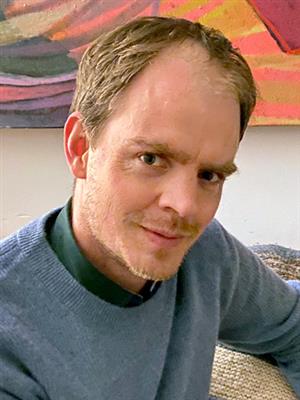
Rainer Engelken
Rainer's research bridges from the biophysics of single neurons to the collective behavior of large-scale circuits. His research group investigates how neural circuits learn, process information and maintain stability.
Rainer's research bridges from the biophysics of single neurons to the collective behavior of large-scale circuits. His research group investigates how neural circuits learn, process information and maintain stability.
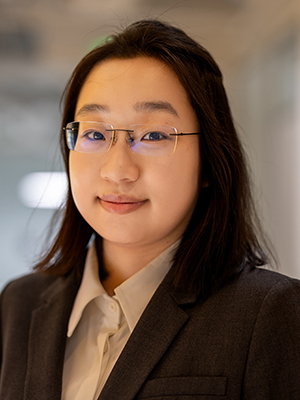
Yichun He
Yichun will join the Illinois faculty next year.
Yichun will join the Illinois faculty next year.
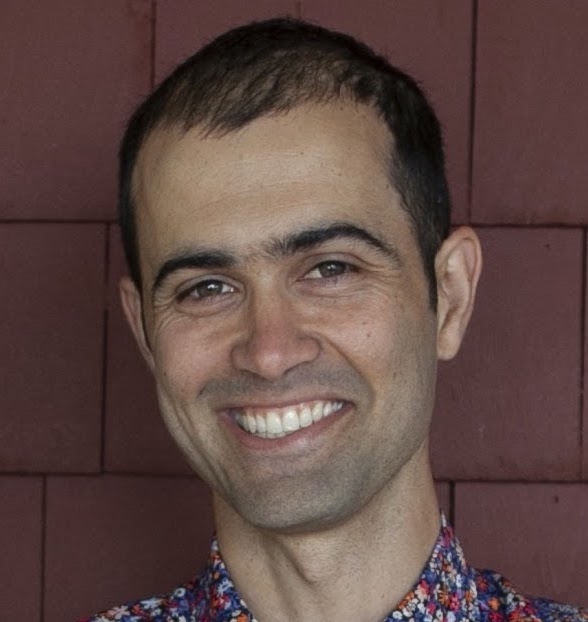
Dean Pospisil
Dean is building a model of an organism’s brain as it senses, computes and acts. He and members of his lab are working to discover the path from the collection of neural data to a comprehensive understanding of the brain.
Dean is building a model of an organism’s brain as it senses, computes and acts. He and members of his lab are working to discover the path from the collection of neural data to a comprehensive understanding of the brain.
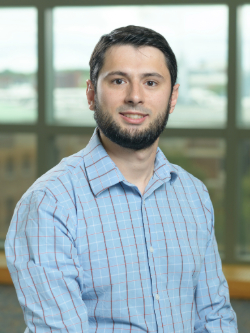
Matthew Singh
Matthew is studying precision neuroscience, with a team that develops new algorithms to build detailed models from person-specific data. These models offer new insights into the science of individual differences with incredible accuracy.
Matthew is studying precision neuroscience, with a team that develops new algorithms to build detailed models from person-specific data. These models offer new insights into the science of individual differences with incredible accuracy.
Circuit neuroscience: Understanding the brain’s biological computing power to build better AIs
From brain science to smarter, more efficient AI
Current AI systems are powerful but inefficient. They consume massive energy and often forget old information when learning new tasks.
By studying the brain mechanisms of learning, memory and plasticity, Beckman researchers are building AI that's more resilient, flexible and capable of continual, human-like learning.
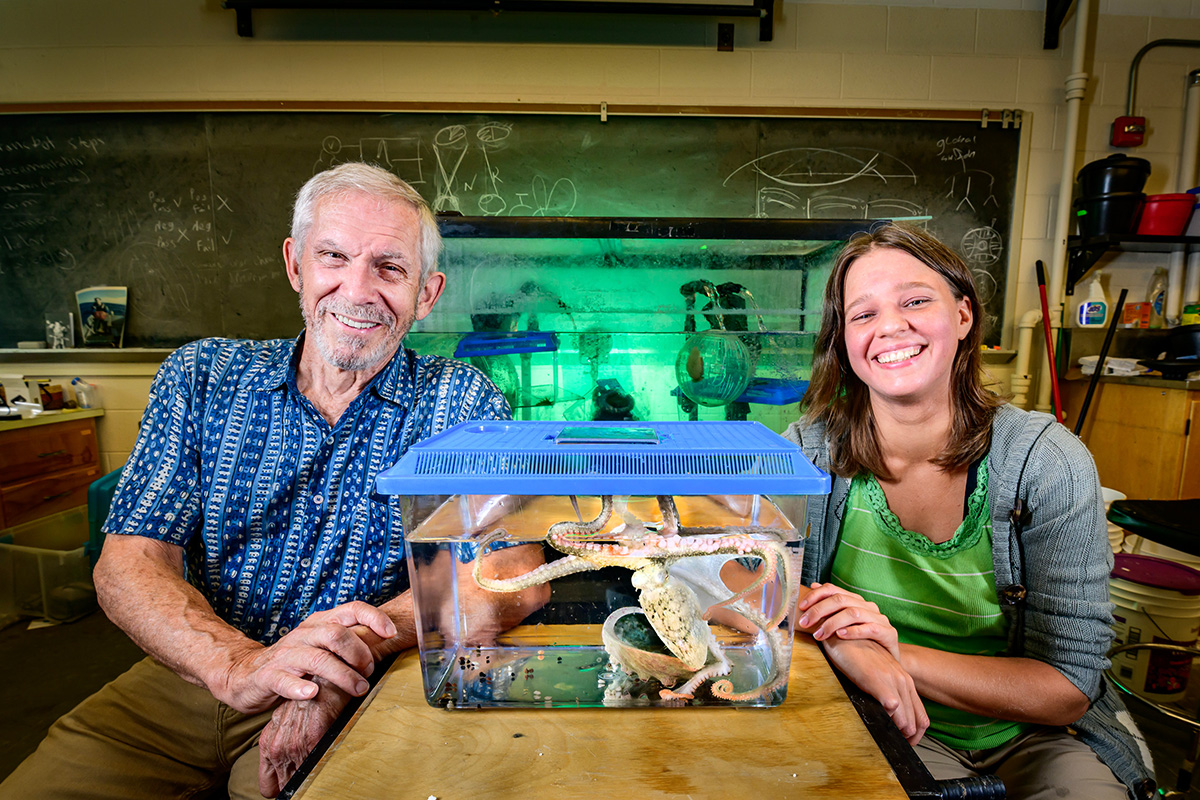
Rhanor Gillette and Ekaterina Gribkova built an artificial intelligence based on marine life, including sea slugs and octopuses. As a result, it can navigate new environments, seek rewards, map landmarks and overcome obstacles.
“This essentially makes our artificial intelligence much more animal-like than current artificial intelligences,” Ekaterina said. “We are learning how to go from something like the memory of a sea slug, which is very, very simple, to something like us.”
Rhanor Gillette and Ekaterina Gribkova built an artificial intelligence based on marine life, including sea slugs and octopuses. As a result, it can navigate new environments, seek rewards, map landmarks and overcome obstacles.
“This essentially makes our artificial intelligence much more animal-like than current artificial intelligences,” Ekaterina said. “We are learning how to go from something like the memory of a sea slug, which is very, very simple, to something like us.”
Biologically Informed AI
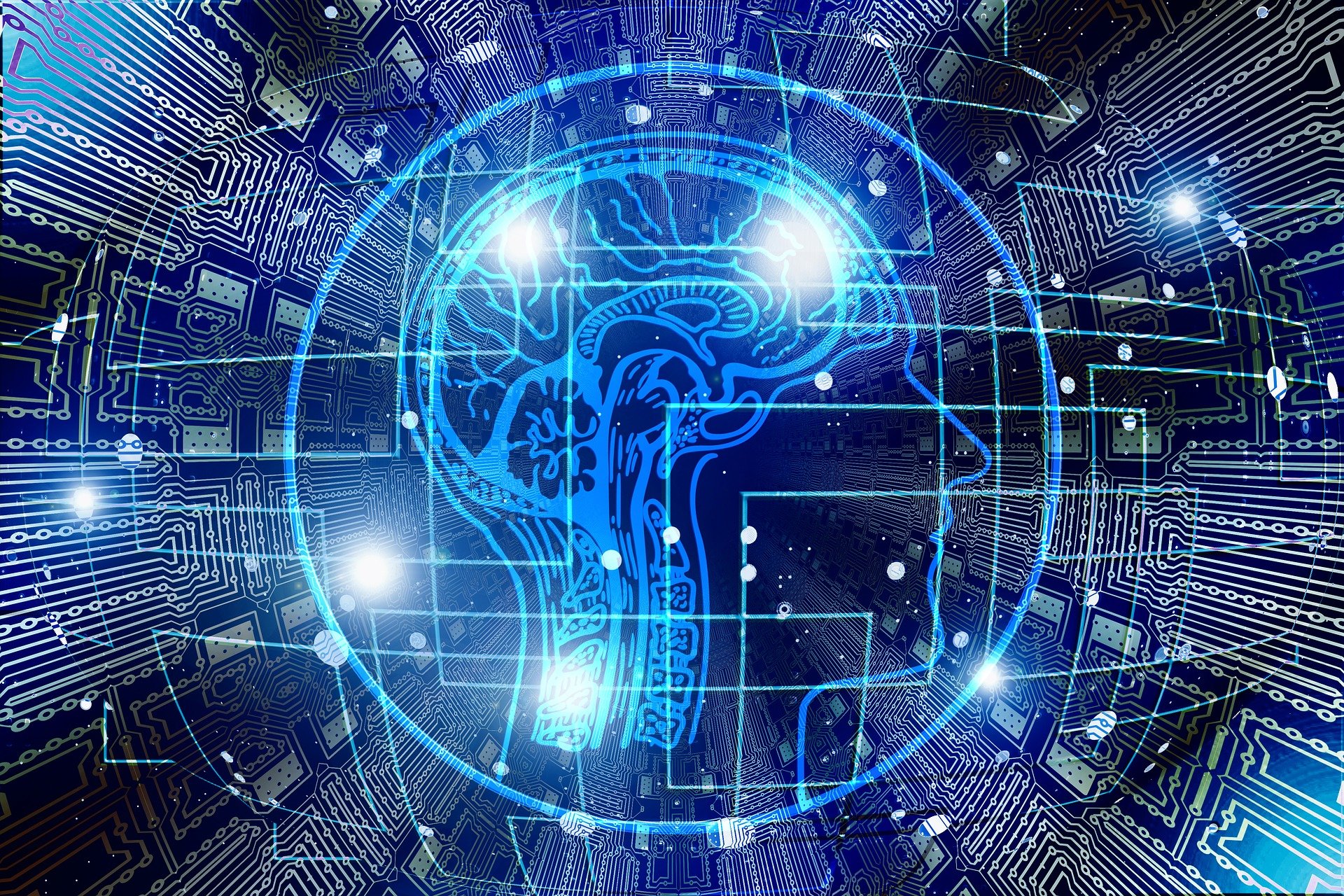
Machine intelligence, though advanced, is far from human. This Beckman research group is using human behavior and neuroscience to inspire artificial intelligence. Researchers in this group also hope to enhance the behavioral sciences with principles learned from computational intelligence. They’re also forging collaborations among those who study human behavior and neuroscience and those developing artificial intelligence.
"Biological systems are still more efficient and flexible than machines," said group leader Diane Beck. "Thus, although we are in the midst of an AI revolution, there is still much to be learned from biological intelligence."
Machine intelligence, though advanced, is far from human. This Beckman research group is using human behavior and neuroscience to inspire artificial intelligence. Researchers in this group also hope to enhance the behavioral sciences with principles learned from computational intelligence. They’re also forging collaborations among those who study human behavior and neuroscience and those developing artificial intelligence.
"Biological systems are still more efficient and flexible than machines," said group leader Diane Beck. "Thus, although we are in the midst of an AI revolution, there is still much to be learned from biological intelligence."
Natural language processing: teaching computers to understand, interpret and generate human language
Building AIs accessible to everyone

The Beckman team leading the Speech Accessibility Project is making technology work for every voice. Historically, the speech recognition systems in your phone or smart speaker have been trained on audiobook recordings, so they have trouble recognizing diverse speech patterns.
Funded by Apple, Amazon, Google, Meta and Microsoft, the project recently finished recruiting people with Amyotrophic Lateral Sclerosis, cerebral palsy, Down syndrome, Parkinson's disease and those who have had a stroke. The next phase is recruiting people who stutter and those who are deaf and hard of hearing.
So far, Microsoft announced "significant improvements" in its speech recognition tech, and the research team made an automatic speech recognizer 30% more accurate in understanding people with Parkinson's. The project's data is open to outside researchers and companies; about 100 organizations are currently using it.
The Beckman team leading the Speech Accessibility Project is making technology work for every voice. Historically, the speech recognition systems in your phone or smart speaker have been trained on audiobook recordings, so they have trouble recognizing diverse speech patterns.
Funded by Apple, Amazon, Google, Meta and Microsoft, the project recently finished recruiting people with Amyotrophic Lateral Sclerosis, cerebral palsy, Down syndrome, Parkinson's disease and those who have had a stroke. The next phase is recruiting people who stutter and those who are deaf and hard of hearing.
So far, Microsoft announced "significant improvements" in its speech recognition tech, and the research team made an automatic speech recognizer 30% more accurate in understanding people with Parkinson's. The project's data is open to outside researchers and companies; about 100 organizations are currently using it.
Crossing disciplines to gather real-time information about infant behavior
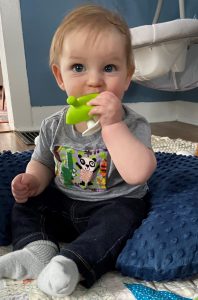
Studying infant behavior and emotional regulation is incredibly important — and difficult. A Beckman team, including human development expert Nancy McElwain and electrical engineer Mark Hasegawa-Johnson, have created a data collection tool perfect for the institute's youngest research participants.
LittleBeats is a wearable device that collects data via electrocardiogram, audio and motion sensors. The team then uses deep learning algorithms and the collected data to assess infant behavior in real-world settings.
“Our end goal is to give back to the community and use LittleBeats as a tool for intervention and prevention," Nancy said. "More broadly, it could be used as a way for parents to gain a detailed view of their child’s daily interactions. ... If parents and care providers can monitor a child’s development with this device, early identification of a motor or language delay, behavioral disturbance, or sleep disturbance could be possible."
Studying infant behavior and emotional regulation is incredibly important — and difficult. A Beckman team, including human development expert Nancy McElwain and electrical engineer Mark Hasegawa-Johnson, have created a data collection tool perfect for the institute's youngest research participants.
LittleBeats is a wearable device that collects data via electrocardiogram, audio and motion sensors. The team then uses deep learning algorithms and the collected data to assess infant behavior in real-world settings.
“Our end goal is to give back to the community and use LittleBeats as a tool for intervention and prevention," Nancy said. "More broadly, it could be used as a way for parents to gain a detailed view of their child’s daily interactions. ... If parents and care providers can monitor a child’s development with this device, early identification of a motor or language delay, behavioral disturbance, or sleep disturbance could be possible."
NeuroAI in the news
- Anderson explains new MRx brain imaging technology
- Beckman researchers map prefrontal cortex in individuals, reveal fine-scale structure with precision fMRI
- Looking good isn’t everything: Researchers assess AI method for processing medical images
- Beckman researchers develop MRI method to visualize changes in brain metabolism, detect brain disease
- Beckman researchers advance individual measures of inhibitory control to improve assessment precision
- Meet the 2025 Beckman Institute Graduate Fellows
Have questions or want to learn more? Contact us.
Cristina Alvarez Mingote
Email: alvarez9@illinois.edu
Beckman Institute for Advanced Science and Technology