Extracellular Vesicle Imaging and Therapy
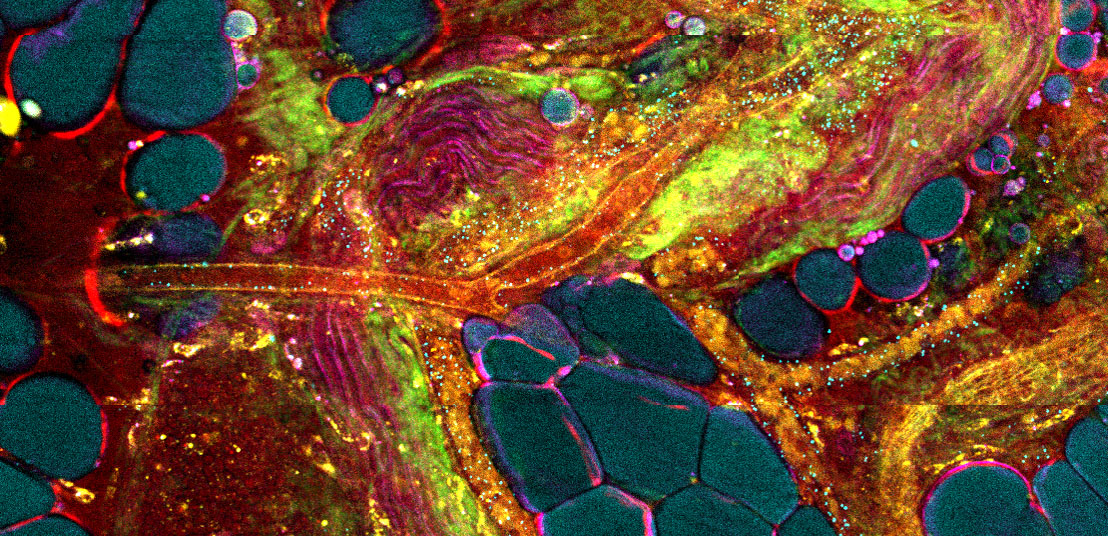
Understanding how small structures play a huge role in human health
Extracellular vesicles are small structures surrounded by membranes that are released by cells. They help both healthy and diseased cells communicate. They play significant roles in the formation of cancer, neuroscience, stem cell biology and even the body’s responses to stress.
Understanding how small structures play a huge role in human health
Extracellular vesicles are small structures surrounded by membranes that are released by cells. They help both healthy and diseased cells communicate. They play significant roles in the formation of cancer, neuroscience, stem cell biology and even the body’s responses to stress.
Biologists, engineers and clinician scientists are working together to understand how extracellular vesicles are released and why they matter. They’re working to create optical imaging technologies and diagnostics that will provide early detection and monitoring of diseases like diabetes and neurodegenerative diseases.
Researchers in this group are also developing EV-based cancer vaccines and stem cell-derived EV therapies to help astronauts in space (and other people who can’t easily move) protect against loss of skeletal muscle mass.
Group leader
- Marni Boppart
- Wawrzyniec Dobrucki
Labs within this group
- Beckman announces 2026 graduate fellows
- Nelson identifies new drug target for liver tumor treatments
- Beckman team develops pocket-sized health screener
- Cunningham leads publication on point-of-care diagnostic technology
- Beckman's Hyunjoon Kong leads collaborative team, develops scrubbing bubbles
- New Beckman laboratory facility, clean room to be site for regenerative medicine research
Beckman Institute for Advanced Science and Technology