Article
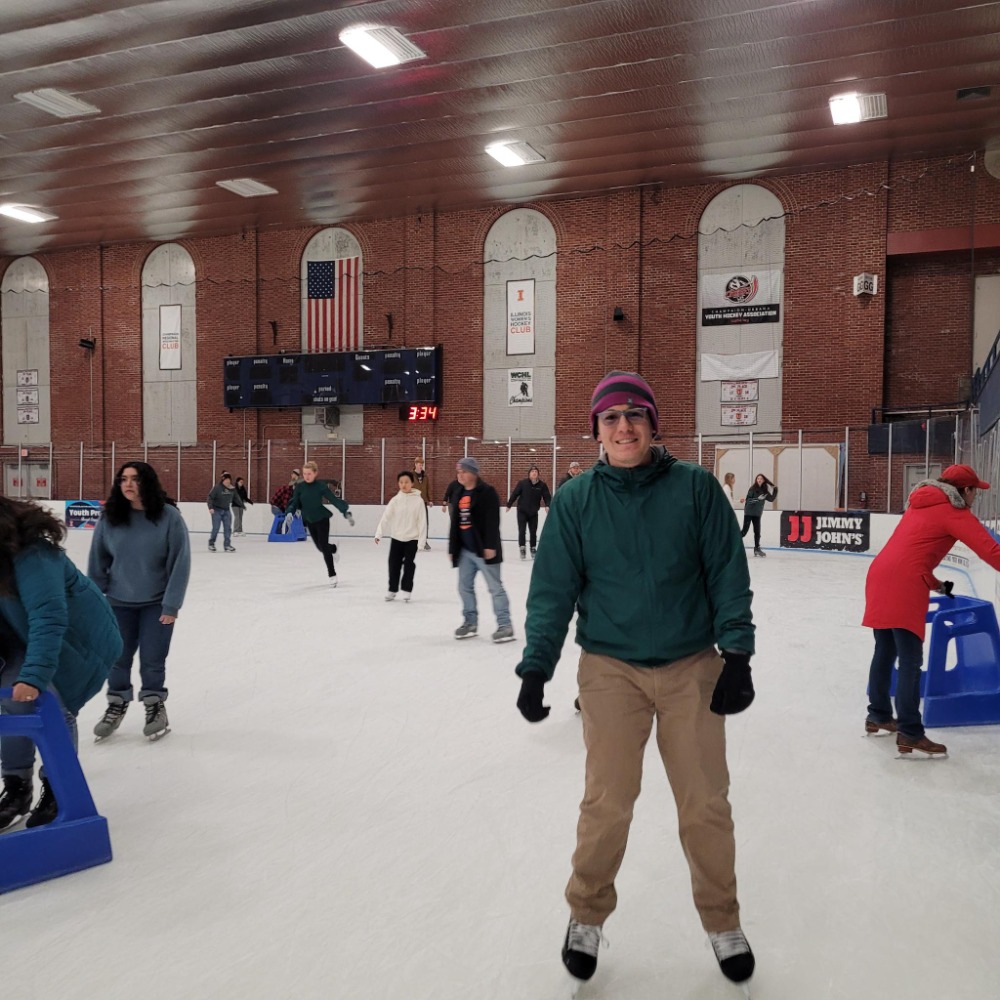
Credit: Ángel David Arellano Pérez.
Propelled by firsthand encounters with individuals affected by political turmoil in Venezuela, Beckman Institute for Advanced Science and Technology postdoctoral researcher Ángel David Arellano Pérez embarked on a four-country research journey about fear memory.
Originally from a small Venezuelan town near the Colombian border, Pérez was intrigued by his home’s political and economic climate. At 17, he moved to Caracas, Venezuela’s capital, to pursue an undergraduate degree in psychology.
“In my country, there is an option to do a five-to-six-year psychology degree. At the end, you are allowed to apply for a license in clinical psychology. I completed my degree and worked for a few years as a clinical psychologist,” Pérez said.
Pérez credits his interest in fear memory research to his clinical psychology experience and time with Doctors Without Borders, an organization that provides medical aid to people in need around the world. He worked with people affected by political issues in Venezuela and supported people in emergency psychology.
During his experience with patients, Pérez moved to Brazil to pursue his Ph.D. in neuroscience, where he stayed almost four years.
“My research was mainly with animal models, but I wanted to transition to do research with people on an international scale. I moved to Canada for about six months, where I studied interventions to weaken the impact of negative memories,” he said.
During his Ph.D., Pérez studied reconsolidating, or altering, fear memories to reduce their damaging effects. He specifically focused on fear memories associated with PTSD. Pérez focused on reconsolidation windows: the period of time when memories can be updated or their emotional intensity altered. His strategies included introducing supportive social interactions during fear memory recall and positive stimuli, such as rewarding drugs to shift the memories’ negative emotional context. He also explored the effect of circadian cycles on fear memory retrieval and extinction.
Once Pérez completed his Ph.D., he started his postdoctoral fellowship at Texas A&M University in Steve Maren’s lab. In 2024, Pérez moved with Maren to the Beckman Institute at the University of Illinois Urbana-Champaign.
Continuing the research he started in Texas, Pérez studies the nucleus reuniens, an important structure in the midline thalamus, to understand the brain’s hippocampal circuit where memories are stored. He hopes his research can be used to aid future treatments for people experiencing fear memory relapse.
"One of the main treatments for PTSD is exposure therapy, a clinical approach that allows the client to talk about the traumatic experience. Over time, the fear decreases, and a new, safer memory representation is created. However, the issue with this approach is that the fear memory is not erased, and over time or under certain circumstances, the extinguished memory can relapse, causing the traumatic memory to reemerge,” Pérez said.
Pérez works at the Psychology Building and with his Beckman team each day. He said the community at Beckman helps him approach his research from a unique perspective. “Beckman is another resource in my research. There is such a great community of scientists producing data and studies, and it inspires me to pursue my goals at a quality level,” Pérez said.
Becoming a researcher can be a long journey, requiring discipline, motivation and resilience. Pérez finds it helpful to set goals for his work and to not compare himself to others.
"We can look to others for inspiration, but it’s best to compare ourselves only to our own growth, knowing that everyone has their own unique story,” Pérez said.
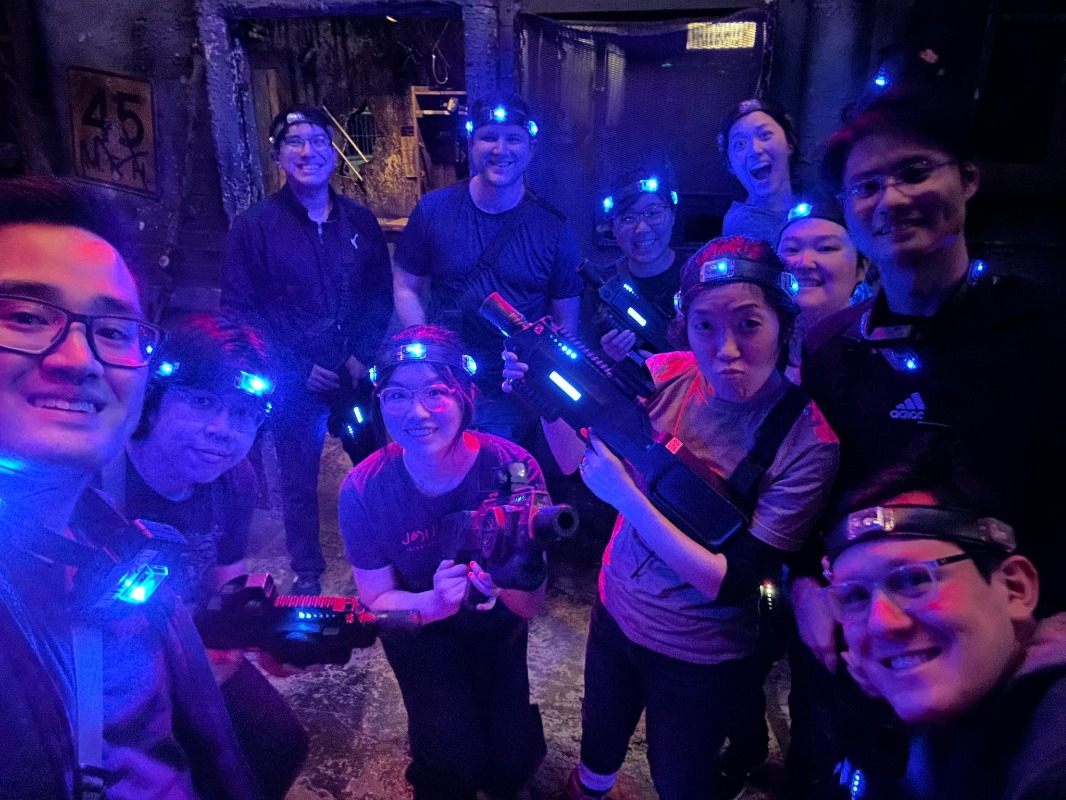
He also credits his communities of friends and scientists throughout his career for pushing him. Both inside and outside the lab, Pérez enjoys getting involved in local communities in the different countries he has lived in. He learned Portuguese to work in Brazil and learned English there as well, which prepared him to work in Canada and the United States.
“It was sometimes a challenge being in a new place, but it was also very culturally enriching,” Pérez said, adding he has found great strength from his spiritual journey, which has helped him find resilience during difficult times.
Each day, rides his bike to work, which he also uses to explore different spaces in Champaign and Urbana. In the summer, Pérez loves exploring nature on his bike, specifically in local parks to enjoy the sunsets.
During the winter, Pérez likes going to the ice rink to skate, which is something he learned during his time in Canada. Wherever his research takes him, Pérez enjoys trying different hobbies and activities to embrace his new community and make new friends.
Beckman Institute for Advanced Science and Technology