
Meet a researcher
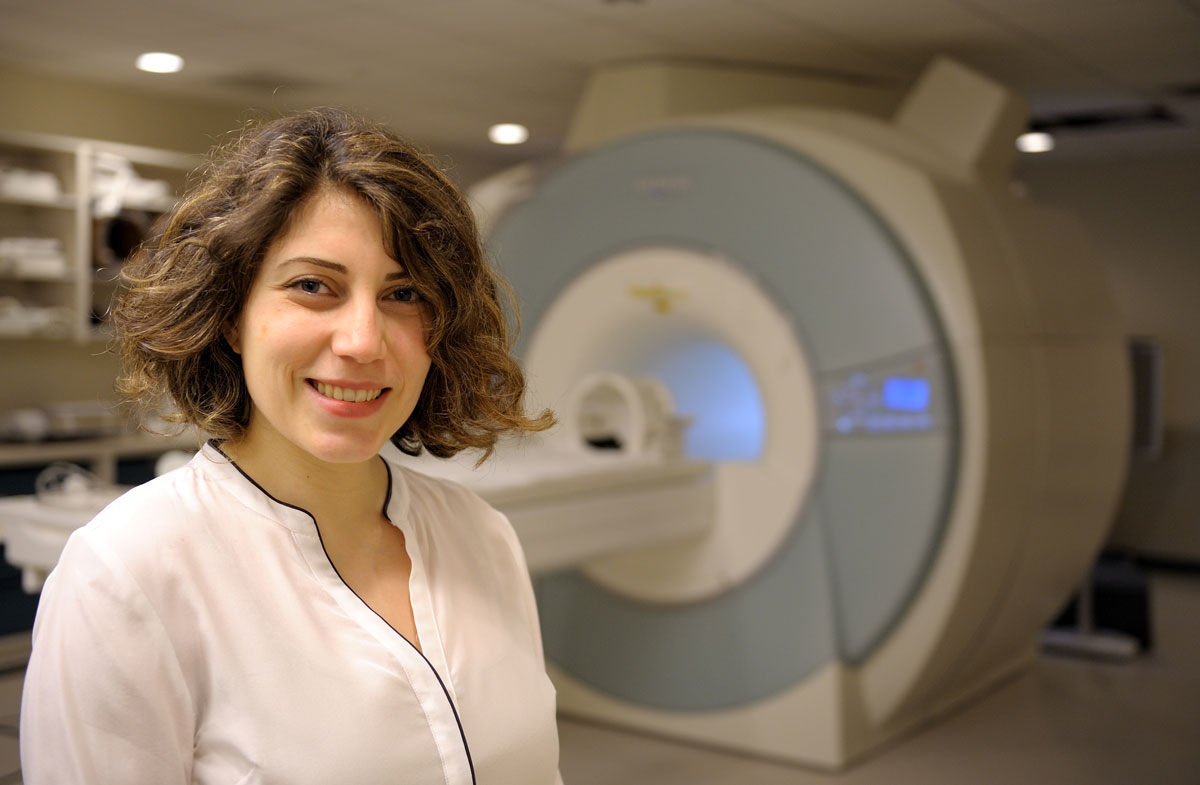
"Working at the Beckman has motivated me to take on more ambitious and bold research endeavors, and has moved me from the question of whether I (my lab) can accomplish them to whether we (the Beckman team) can do it."
-Sepideh Sadaghiani, psychology
Video
The wheelchair of the future, the ballbot
The ballbot wheelchair may be the future of mobility assistance. Researchers from across the University of Illinois campus have created a Star Wars-inspired robotic wheelchair that uses a single, rolling ball to provide a hands-free, intuitive, and flexible device for users.
Changing the culture of science
21st Century Scientists
This Beckman initiative is working to improve inclusion and diversity, create incentives for engagement, and innovate scientific training.
Inclusive Lab Leaders
21st Century Scientists leads this training initiative, which puts on regular workshops for both student researchers and their leaders.
Visit the 21st Century
Scientists' website


Video
Beckman MRI speaks for itself
Using some of the fastest MRI technology in the world, Beckman researchers can see the physical mechanics of the spoken (or sung) word. This speed has allowed researchers to begin exploring the structural nuances of emotional speech.
Meet a researcher
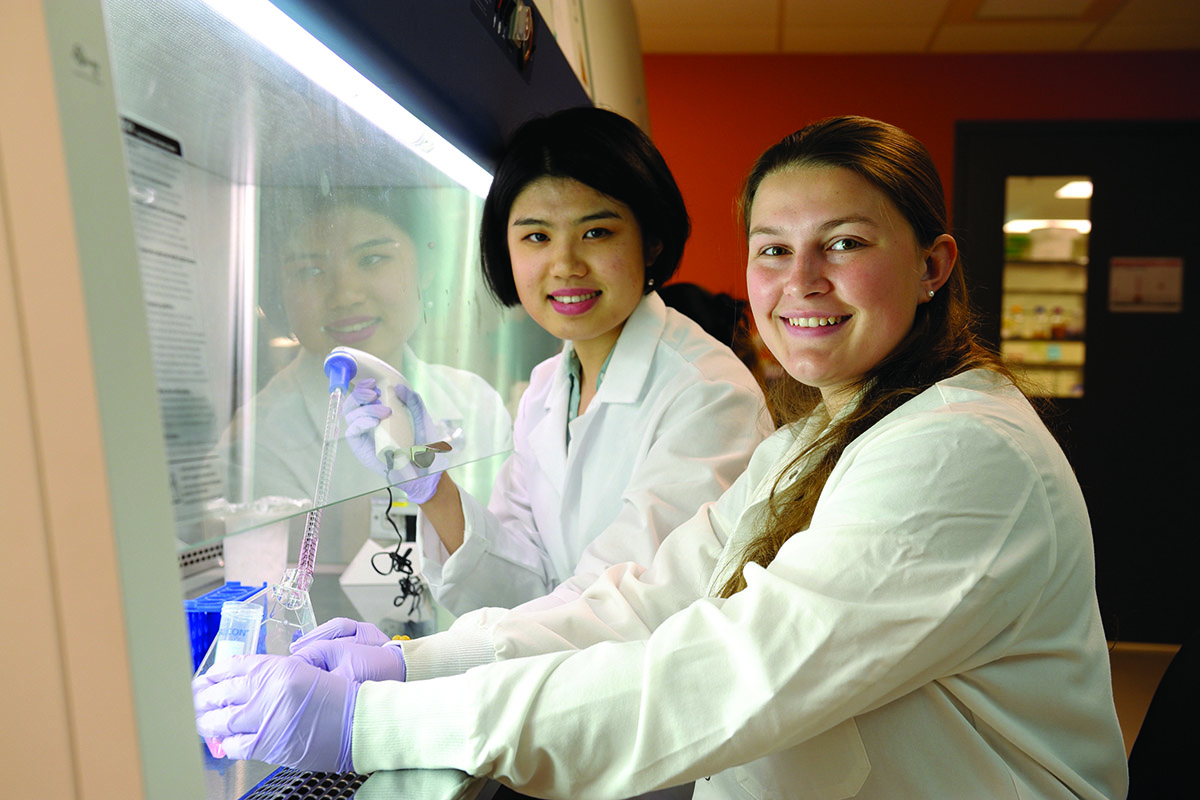
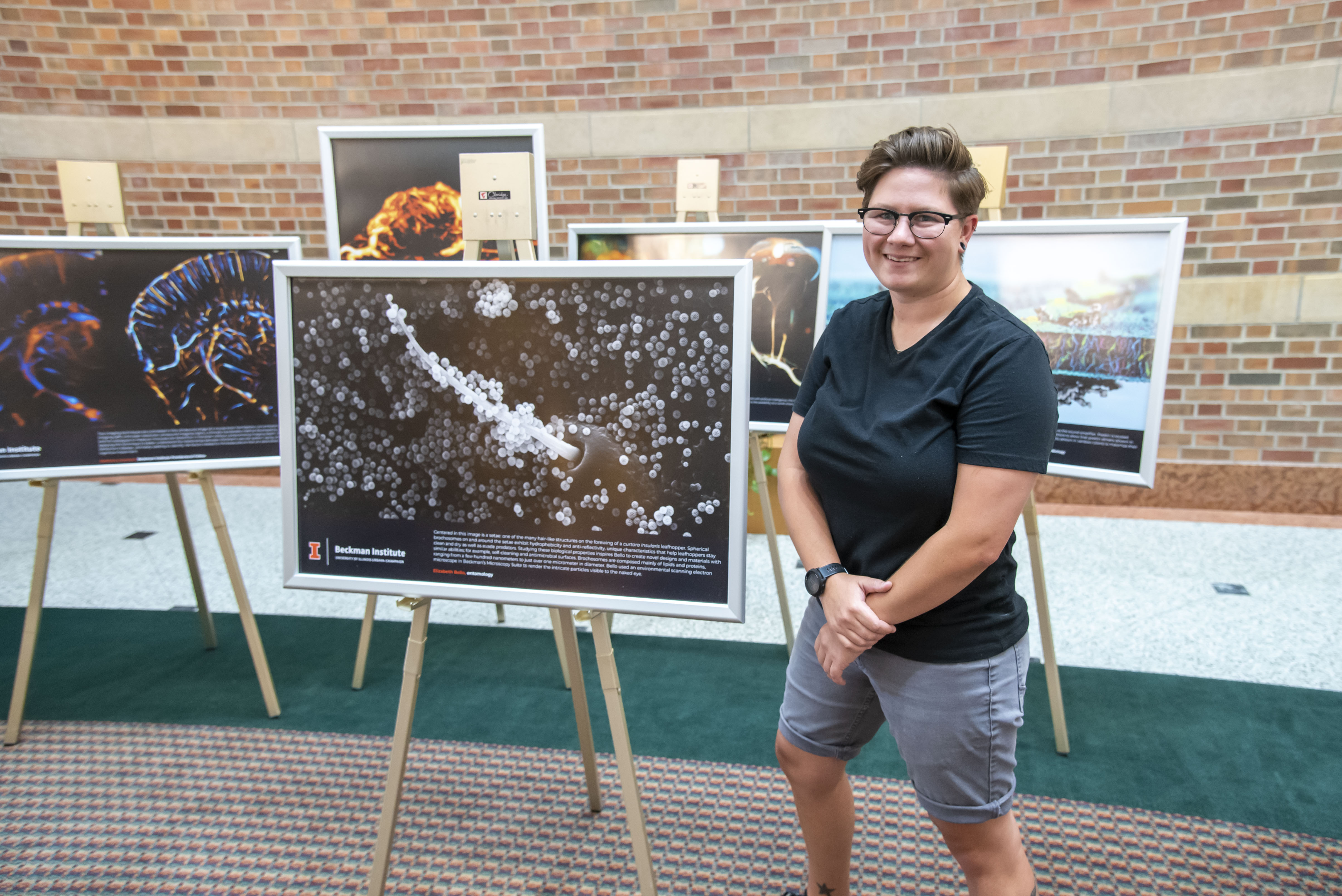
"Always ask questions. Don’t be afraid of looking silly or that you’re asking a “dumb” question — there’s no such thing. Just keep practicing and as your skills grow, your confidence will too."
-Elizabeth Bello, a student researcher in entomology
Become a Beckman researcher
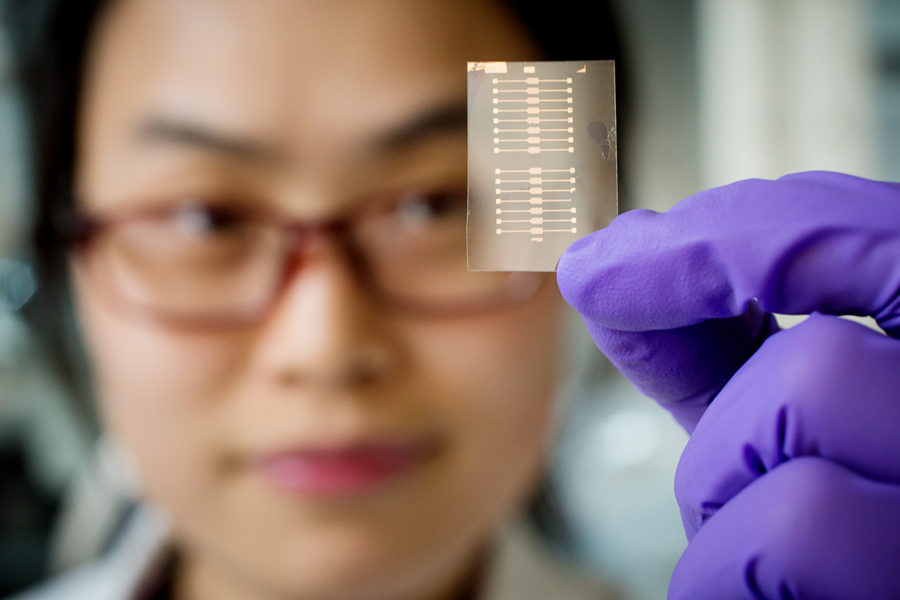
Whether you're a student hoping make a difference, already leading research on campus, or thinking about becoming a faculty member at the University of Illinois, the Beckman Institute could be the right place for you.
Need resources for your research?
We provide state-of-the-art facilities for faculty members, staff, and students.
Biomedical Imaging Center
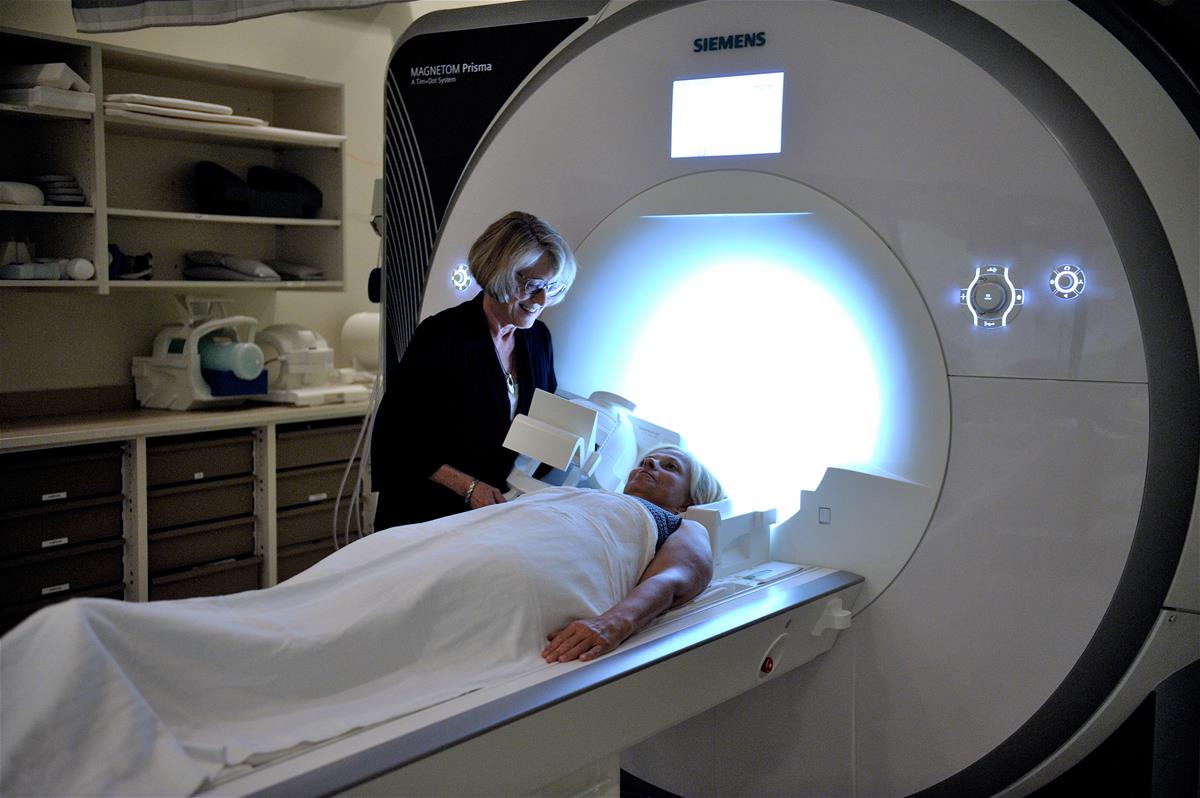
BIC is a state-of-the-art imaging facility that develops and applies cutting-edge techniques using magnetic resonance and molecular imaging tools.
Staff members employ advanced MRI, optical imaging, EEG, PET, SPECT, CT, fluorescence, and bioluminescence techniques to address questions about structure and function of systems across a variety of disciplines.
Imaging Technology Group
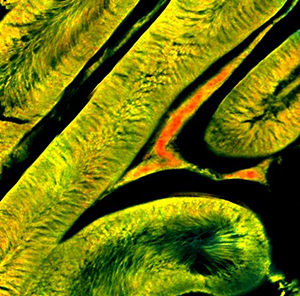
ITG is home to Beckman's Microscopy Suite and its Visualization Lab.
Hundreds of researchers from the Beckman Institute and nearly every department on campus use its state-of-the-art microscopy, spectroscopy, image processing, and rendering capabilities.
Research images
The latest research images from Instagram. Follow Beckman Institute @beckmaninstitute